KUALA LUMPUR, Sept 8 (Bernama) -- Bursa Malaysia closed almost flat on Tuesday as buying interest rotated away from index heavyweights towards smaller-cap construction stocks, with sentiment affected by geopolitical uncertainty, said an analyst. At 5 pm, the FTSE Bursa Malaysia KLCI (FBM KLCI) eased 0.39 of a point to 1,714.40 from Monday’s close of 1,714.79. The benchmark index opened 1.65 points lower at 1,713.14 and moved between 1,710.44 and 1,714.50 throughout the trading session. The broader market was almost evenly balanced, with decliners leading gainers 548 to 546, while 598 counters were unchanged, 1,107 were untraded and 25 were suspended. Turnover expanded to 4.13 billion units valued at RM3.14 billion from 3.60 billion units valued at RM2.45 billion on Monday.
As investors brace for upcoming inflation data, the U.S. stock market displayed modest fluctuations, suggesting a cautious optimism. The anticipated data is crucial for determining the Federal Reserve's forthcoming monetary policies.
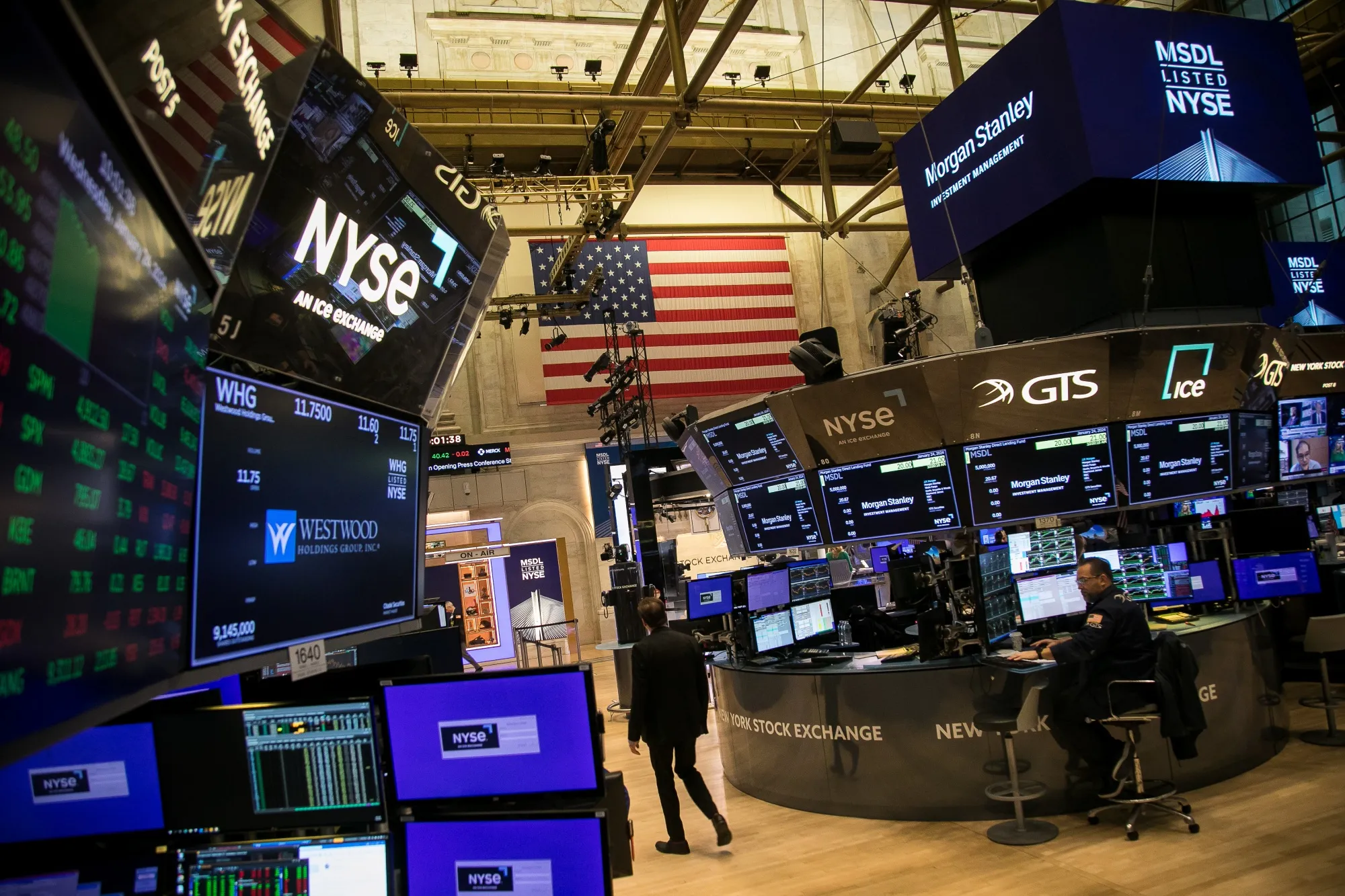
Market Dynamics
Early trading showed a slight decline in stocks, a mild response following the tumultuous trading that marked last week as one of the year's most volatile. Despite expectations of a moderate increase in July's consumer price index, the overall annual inflation is predicted to continue its slow ascent. This trend has given Federal Reserve officials the confidence to consider lowering borrowing costs while shifting their focus towards a weakening labor market.
Analyst Perspectives
Chris Larkin of E*Trade, a Morgan Stanley company, emphasized the importance of the forthcoming inflation figures. "Investors are hoping the numbers will hit a sweet spot—tempering rate hike fears while easing recent recession concerns that have unsettled the markets," Larkin noted.
Market Indicators
The S&P 500 hovered around 5,330, while the Cboe Volatility Index (VIX) remained stable at about 20, following a spike above 65 the previous week—a surge that raised doubts about its reflection of actual market stress. Additionally, Treasury yields on 10-year notes saw a slight increase, reaching 3.96%.
Institutional Strategies and Corporate Developments
Investment strategies have notably shifted, with equity allocations seeing their most significant cut since the onset of the COVID-19 pandemic, as reported by Deutsche Bank AG. This adjustment suggests a cautious outlook from investors, expecting a slowdown in corporate earnings growth to single digits, a stark contrast to the 11% increase observed in the second quarter.
Scott Rubner of Goldman Sachs identified a potential opportunity amid the market's downturn. "Reduced equity positions and upcoming resumption of buybacks present a tactical opportunity to buy the dip," stated Rubner. His optimistic stance for the end of August reflects a broader sentiment that, while cautious, acknowledges potential market recoveries.
Economic Forecasts and Corporate News
The outlook from Morgan Stanley's Michael Wilson painted a mixed picture, suggesting that economic uncertainties and a weak corporate earnings forecast are likely to limit stock market gains. Wilson anticipates the S&P 500 to oscillate between 5,000 and 5,400 points, indicating minimal potential for significant gains in the near term.
In corporate news, several U.S. companies made headlines:
- B. Riley Financial is under scrutiny in a widening investigation concerning its financial disclosures.
- JetBlue Airways initiated a substantial financing move through a $2.75 billion bond and loan sale, backed by its loyalty program.
- Bank of Nova Scotia acquired a minority stake in KeyCorp as part of its strategic focus on North America.
Global Events and Economic Indicators
The market's direction will also be influenced by several key global economic reports and events scheduled throughout the week, including:
- U.S. Producer Price Index and Consumer Price Index updates.
- Economic updates from the Eurozone and China, covering GDP, industrial production, and retail sales.
- Speeches from Federal Reserve officials, which could provide further insights into the central bank's views on the economic outlook.
As the market navigates through these economic indicators and corporate developments, investors remain vigilant, parsing through data and events that could shape the investment landscape in the coming months.
Comments
Post a Comment